
Breath
-
One Year: Lessons from Sensors, Spaces, and Supply Chains
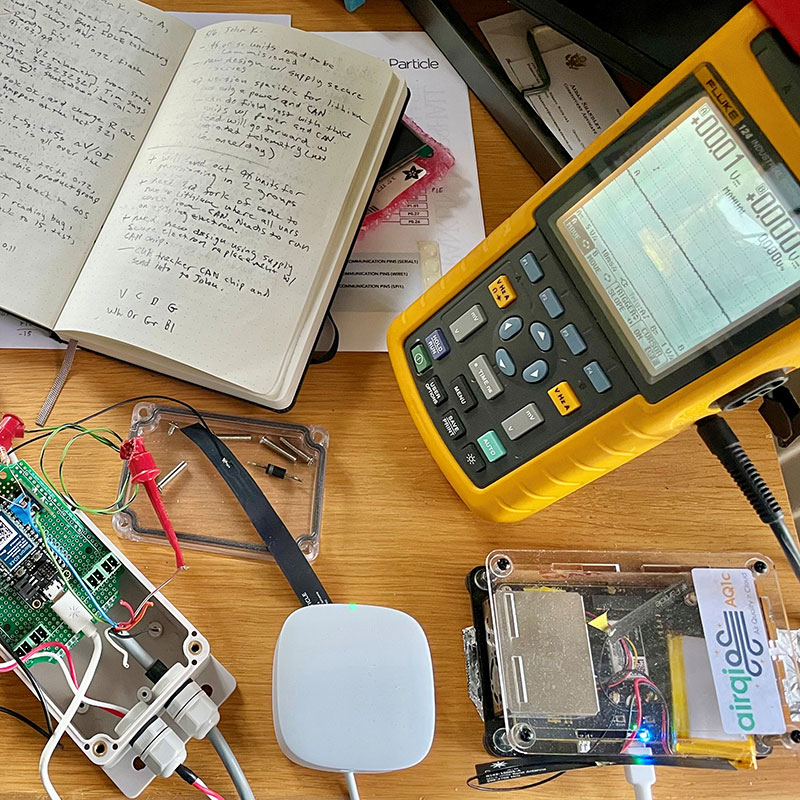
Over the past year, our beta devices have been deployed in homes, offices, schools, and shared spaces. These environments are messy in the best possible way: cooking, cleaning products, occupancy patterns, ventilation habits, and outdoor pollution all interact in ways that are impossible to simulate fully in the…
-
Caveats of MOX Sensors in VOC Measurement
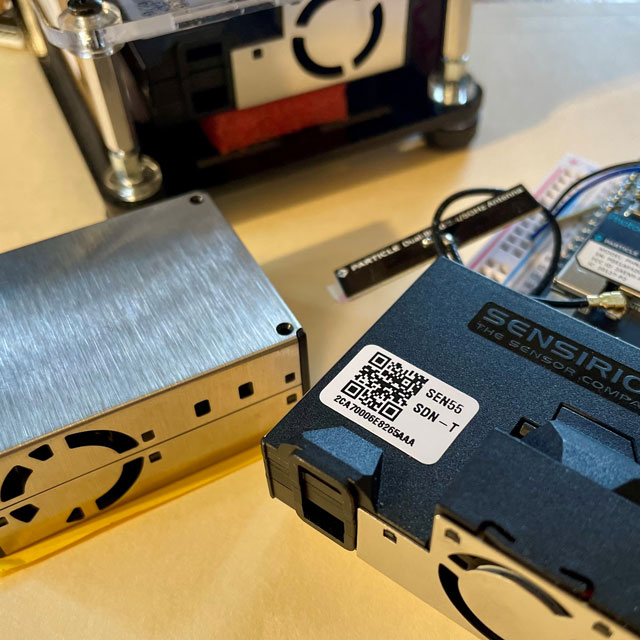
Metal Oxide (MOX) sensors have become a popular choice for detecting volatile organic compounds (VOCs) in indoor environments. They’re compact, low-cost, and widely integrated into consumer-grade air quality monitors. But our experience while using MOX sensors offers is that they come with a set of caveats that we…
-
Beta Prototypes and Test
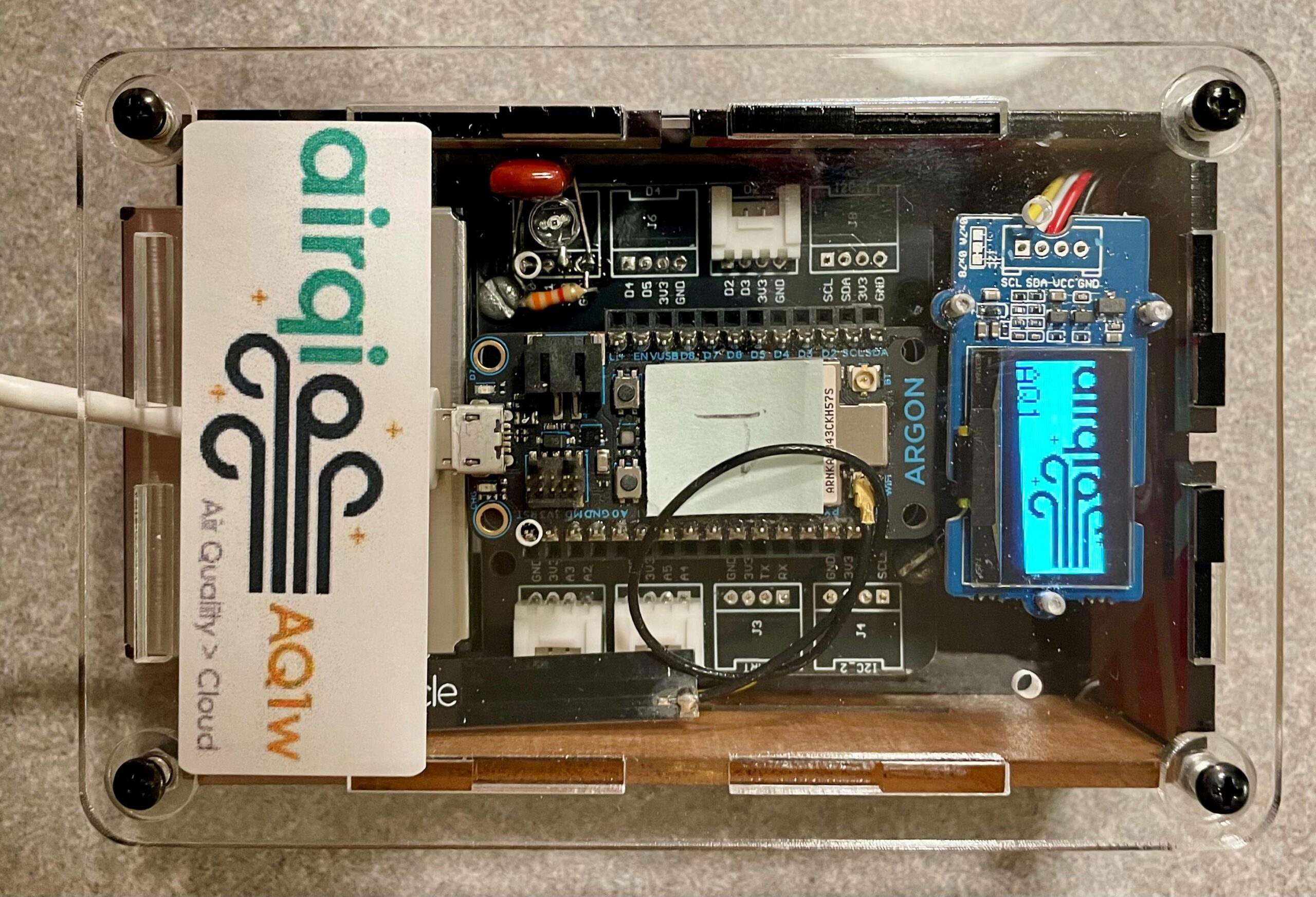
Our beta prototypes became available in January 2025. We are actively testing in several locations within the United States. One prototype has already identified a critical air quality issue providing actionable data to investigate dangerous indoor air quality. Startup VOC concentrations were over 5000 ppb! An investigation led…
-
Understanding Indoor Air Quality

Indoor air quality (IAQ) refers to the condition of the air inside buildings, especially as it relates to the health and comfort of occupants. Poor IAQ can lead to respiratory issues, fatigue, headaches, and long-term health effects — particularly for vulnerable populations like children, the elderly, and those…
-
Prototype Web UI
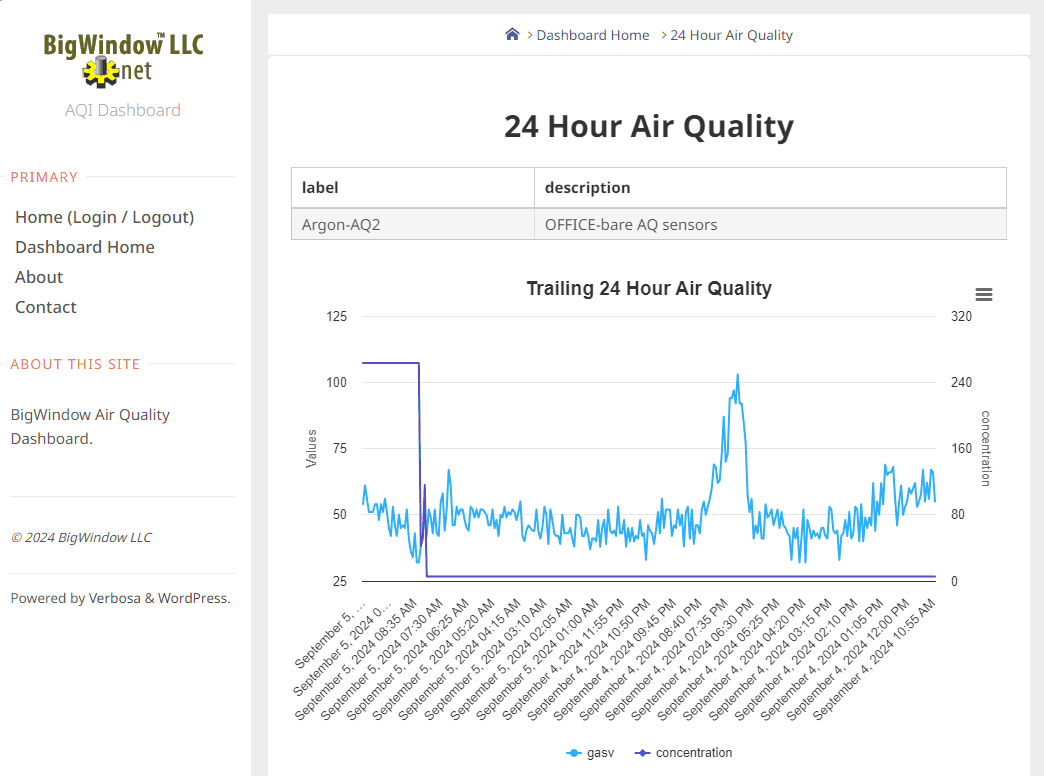
Our initial testing uses air quality monitor hardware that streams data to the cloud at 5 minute increments. All units measure and report at these increments allowing multiple devices results to be compared at single point in time. The draft web user interface (UI) allows three peeks into…
Join our subscribers
Stay in the loop with everything you need to know.